How to Build a Home on Land You Already Own in Central Texas
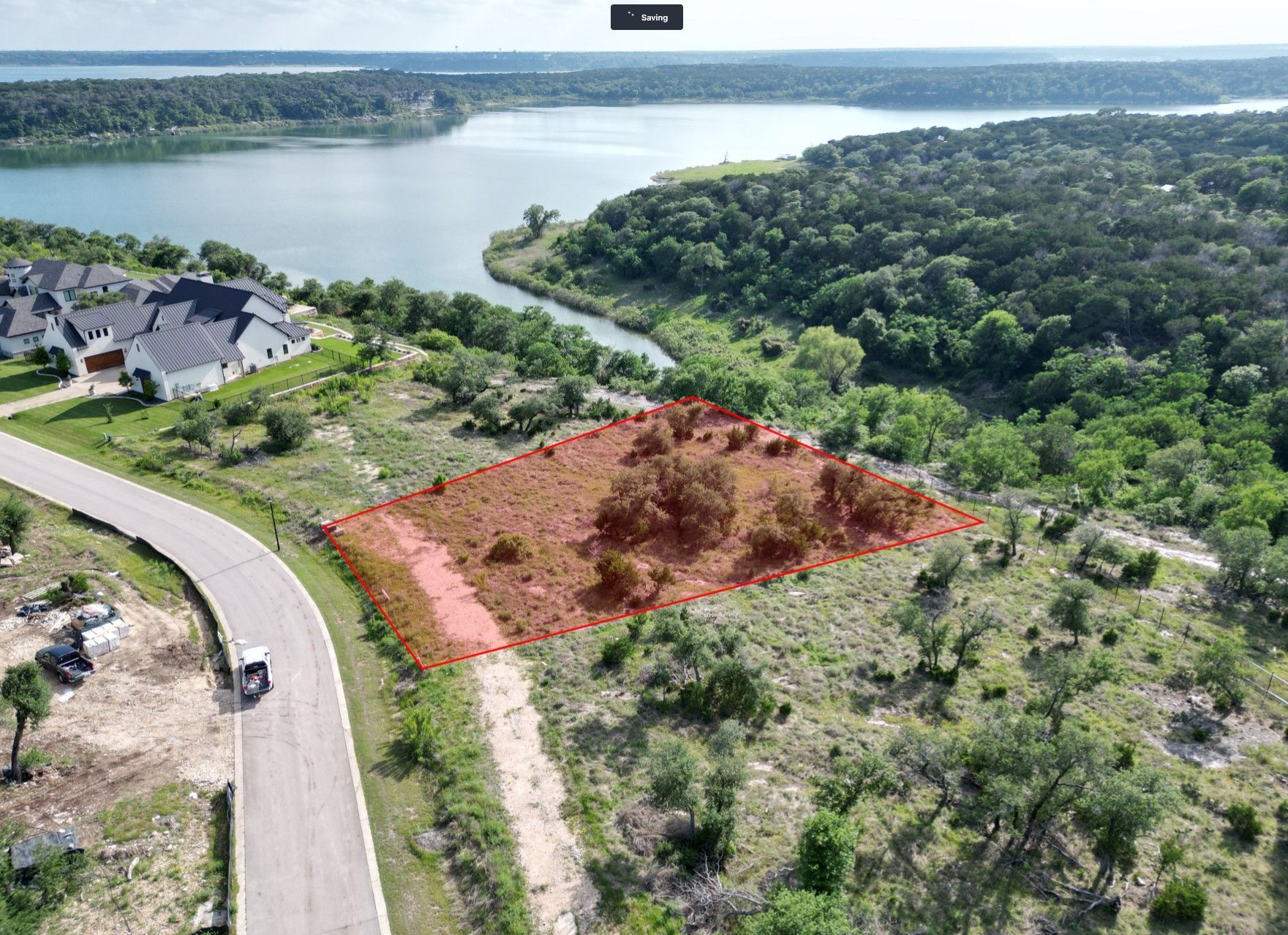
Owning land is an exciting first step toward building your dream home. Whether you've inherited family property, purchased acreage outside of town, or have been holding onto a lot while waiting for the right time to build, you're already ahead in the custom home journey.
Building a home on your own property offers flexibility and the opportunity to create a home that fits both your lifestyle and the land you've chosen. However, building on privately owned land comes with a few additional considerations compared to purchasing a home in an established neighborhood.
If you're thinking about building a home on your own land in Central Texas, here's what you should know before construction begins.
Start by Evaluating Your Property
Every piece of land is unique, and understanding your property's characteristics is one of the first steps in the planning process. Your builder will typically evaluate factors such as:
- Topography and slope
- Soil conditions
- Drainage
- Floodplain considerations
- Existing trees or natural features
- Access from public roads
- Easements and property boundaries
These factors help determine the best location for your home while minimizing future construction challenges.
Verify Utilities and Infrastructure
One of the biggest differences between neighborhood construction and building on your land is making sure essential utilities are available. Depending on your property's location, you may need to plan for:
- Electrical service
- Water connection or a private well
- Septic system installation
- Internet availability
- Propane service, if natural gas isn't available
Planning for these utilities early helps prevent delays and provides a clearer picture of the overall project budget.
Understand Local Building Requirements
Building in Central Texas often involves county or municipal regulations that vary depending on where your property is located. Before construction begins, your builder will help navigate requirements such as:
- Building permits
- Site inspections
- Setback requirements
- Drainage regulations
- Septic approvals (if applicable)
Working with an experienced builder helps ensure your project complies with local requirements from the beginning.
Design a Home That Fits the Property
One of the biggest advantages of building on your own lot is the ability to design a home that complements the land rather than trying to fit a standard floor plan onto it. Your home's design may take advantage of:
Scenic Views
Large windows and outdoor living spaces can maximize beautiful views across your property.
Natural Shade
Preserving mature trees can improve comfort while enhancing your home's appearance.
Privacy
Long driveways and thoughtful home placement can create additional privacy without sacrificing convenience.
Future Expansion
If you own several acres, you may also want to plan for future additions, such as:
- Workshops
- Detached garages
- Barns
- Guest houses
- Swimming pools
- Outdoor kitchens
Planning ahead helps ensure today's decisions support tomorrow's goals.
Budget Beyond the House Itself
When homeowners think about construction costs, they often focus on the home itself. However, building on your own lot in Texas projects often includes additional site-related expenses. These may include:
- Clearing brush or trees
- Grading
- Driveway installation
- Utility trenching
- Well or septic installation
- Soil preparation
- Drainage improvements
A detailed planning process helps identify these costs early so there are fewer surprises once construction begins.
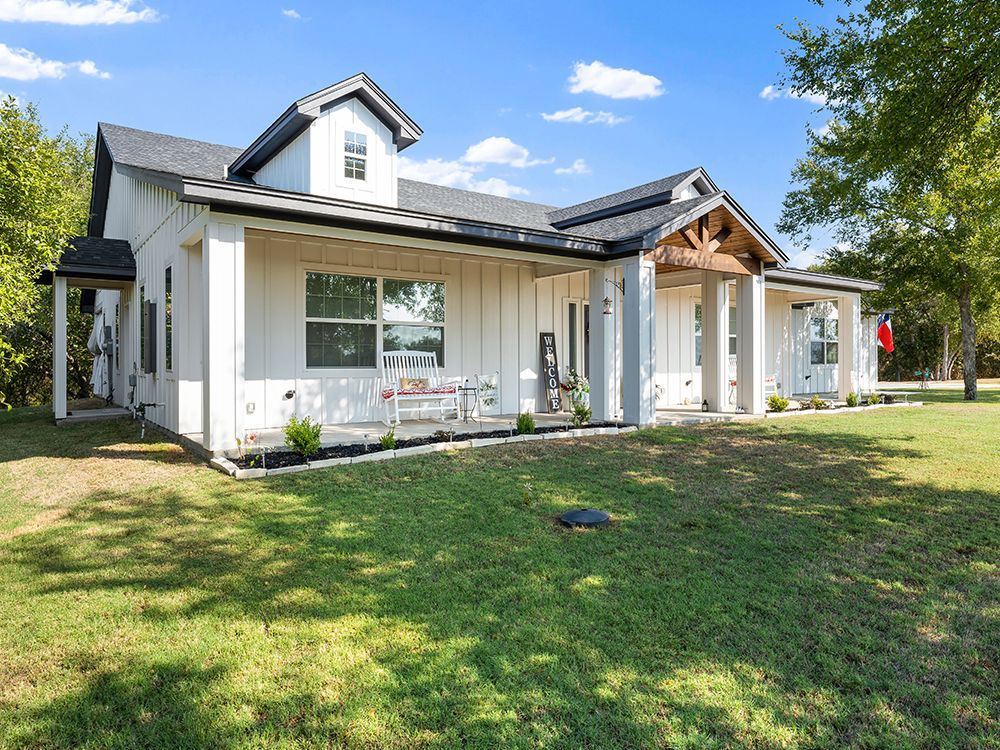
Choose a Builder Experienced with Rural and Private Properties
Not every custom home project takes place in a planned subdivision. Building on privately owned land requires experience coordinating site preparation, utilities, permitting, and construction logistics. When selecting a builder, look for someone who:
- Has experience building throughout Central Texas
- Understands rural property development
- Communicates clearly throughout the process
- Provides transparent pricing
- Helps identify potential challenges before construction begins
An experienced builder can often save homeowners time, money, and unnecessary stress by addressing potential issues early in the planning process.
What If You Haven't Purchased Land Yet?
If you're still looking for the right homesite, don't worry—you don't have to find it on your own. Many homeowners begin working with a builder before purchasing a property. This allows your builder to help evaluate potential lots and determine whether they're well-suited for your future home. If you're still searching, be sure to explore our Available Properties page to see current opportunities throughout Central Texas.
Why More Homeowners Are Building on Their Own Land
For many families, building on privately owned land offers benefits that are difficult to find in traditional neighborhoods. These advantages often include:
- Greater privacy
- More outdoor space
- Flexibility in home design
- Room for future buildings or additions
- Fewer restrictions than some subdivisions
- The ability to create a property that reflects your lifestyle
Whether you own a single lot in town or several acres in the country, building on your land gives you the opportunity to create a home that's uniquely yours.
Build with Confidence on Your Central Texas Property
Building a custom home on land you already own is an exciting opportunity, but success starts with careful planning and the right team. At Dusek & Powell, we've helped homeowners throughout Belton, Temple, Salado, and the surrounding Central Texas communities turn their properties into places they're proud to call home. From evaluating your land to designing a home that fits your vision, we'll guide you through every step of the process.
If you're ready to begin building a custom home on owned land, contact us today to schedule a consultation and learn how we can help bring your vision to life.