What Does a Custom Home Builder Actually Do? A Step-by-Step Guide
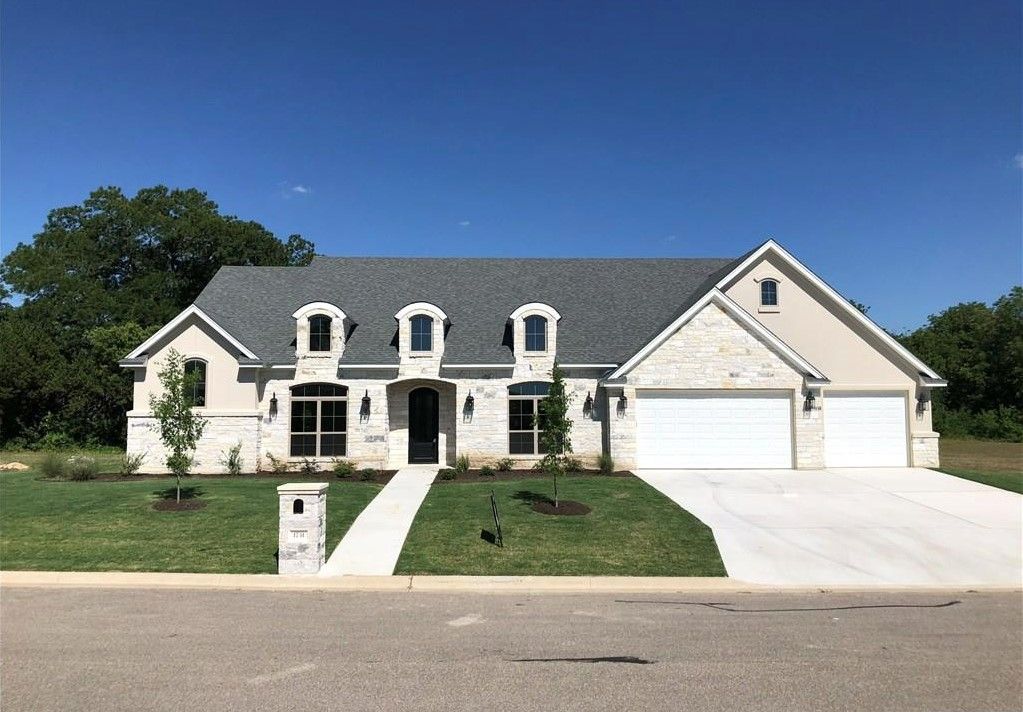
When people reach out to us at Dusek & Powell, one of the most common questions we hear is surprisingly simple:
“What does a custom home builder actually do?”
If you’ve been searching for a custom home builder in Belton, TX, or comparing home builders near me, you’ve probably noticed that the term “custom” gets used loosely. Some builders offer a handful of floor plans with limited options and call it custom. Others truly build homes from the ground up around the homeowner.
So, what does thecustom home-building process really involve? And what should you expect if you’re considering new home construction in Temple, Salado, or Belton, TX? Here’s a clear, step-by-step look at what a custom home builder does, and how we approach the process at Dusek & Powell Custom Builders.
Step 1: Starting With Your Life, Not a Floor Plan
A true custom home build doesn’t start with drawings or materials. It starts with listening. Before anything is designed, we take time to understand how you live, what matters to you, and what you want your home to do for you — today and years from now. That includes conversations about:
- How your household functions day to day
- How you entertain, relax, and gather
- What spaces you use the most
- What hasn’t worked in past homes
- Long-term needs and future plans
At Dusek & Powell, we believe a home should be designed around real life, not the other way around. That foundation guides every decision that follows.
Step 2: Evaluating the Lot and the Big Picture
Many homeowners already own land — or are in the process of buying it — when they contact a custom home builder near me. One of our responsibilities is to help ensure that the land supports the home you want to build. Lot evaluation includes:
- Reviewing grading, drainage, and soil conditions
- Understanding access to utilities
- Identifying setbacks, easements, and zoning requirements
- Planning home orientation for light, views, and efficiency
In Belton and the surrounding Central Texas area, no two lots are the same. A custom builder’s job is to make sure your home and your land work together seamlessly.
Step 3: Designing a Home That’s Truly Custom
This is where the custom process really stands apart from standard new home construction. Instead of selecting a pre-designed plan, the home is designed specifically for you. Floor plans are developed around how you move through your space, how rooms connect, and how the home will feel once it’s lived in — not just how it looks on paper.
During this phase, we work through:
- Floor plan layout and flow
- Architectural style and exterior details
- Structural considerations
- Room sizes, ceiling heights, and transitions
- Energy efficiency and performance
Design is never rushed. The goal is to get it right before construction ever begins.
Step 4: Creating a Realistic Budget and Clear Expectations
One of the biggest concerns homeowners have when building a custom home in Belton, TX, is cost, and understandably so. A professional custom home builder doesn’t hide behind vague numbers. We walk clients through realistic budget expectations early and explain how design choices, materials, and features affect overall investment.
This stage includes:
- Establishing a clear budget framework
- Discussing where quality matters most
- Exploring finish options at different price points
- Preventing surprises later in the build
At Dusek & Powell, transparency is critical. Clear communication upfront leads to smoother construction and better outcomes for everyone involved.
Step 5: Pre-Construction Planning and Permits
Before construction begins, significant work is underway behind the scenes. This phase ensures the build is organized, compliant, and set up for success. Pre-construction responsibilities include:
- Finalizing construction documents
- Coordinating engineering and approvals
- Securing permits
- Scheduling trades and timelines
- Ordering long-lead materials
This preparation is one of the most overlooked — and most important — roles of a residential home builder. Done right, it prevents delays and costly issues once construction starts.
Step 6: Managing the Construction Process From Start to Finish
Once the ground is broken, your custom home builder in Belton, TX, becomes the central coordinator for the entire project. This includes overseeing every phase of construction, such as:
- Foundation and framing
- Plumbing, electrical, and HVAC systems
- Insulation and drywall
- Interior finishes and exterior details
A high-end home builder also focuses heavily on quality control. That means coordinating skilled trades, monitoring workmanship, and ensuring each phase meets both code requirements and internal standards. Throughout the build, communication stays consistent, so you always know where things stand.
Step 7: Guiding Interior Selections and Finishes
One of the most exciting parts of working with a luxury custom home builder is selecting the finishes that bring your home to life. Rather than handing you endless options, a good builder helps guide decisions so everything works together cohesively. This includes:
- Cabinetry and millwork
- Flooring and tile
- Countertops and fixtures
- Lighting and appliance selections
- Paint and material coordination
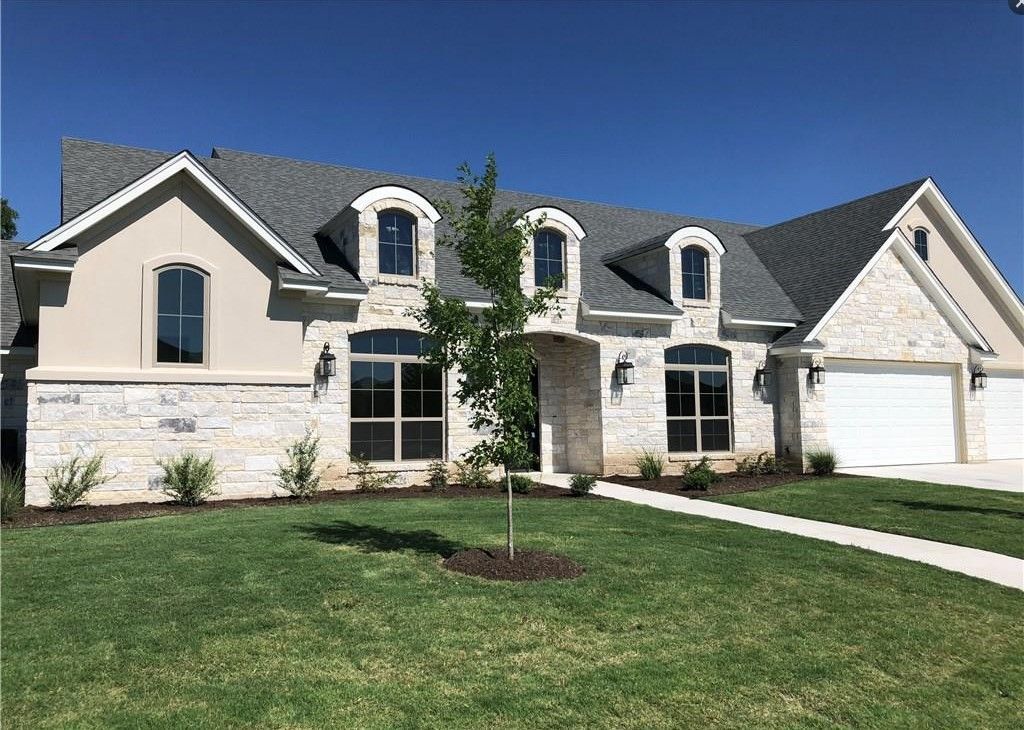
Step 8: Final Inspections and Walkthroughs
As construction wraps up, attention turns to the details. Final walkthroughs allow us to inspect every space, identify any needed adjustments, and ensure the home meets expectations before move-in. Systems are tested, finishes are reviewed, and any remaining items are addressed. This step ensures your home is not only beautiful but also fully functional and ready to live in.
Step 9: Move-In and Ongoing Support
A custom home builder’s responsibility doesn’t end when the keys are handed over. After move-in, we remain available to answer questions, address settling items, and provide guidance on warranties and home systems. That ongoing support is part of protecting your investment and your peace of mind.
How a Custom Home Builder Is Different
If you’re comparing options while searching for home builders near me, here’s the key difference:
A production builder works from templates.
A custom home builder works from your life.
Custom building offers flexibility, craftsmanship, and a level of personalization that simply isn’t possible with standard new construction.
A Custom Home Starts With the Right Builder
Building a custom home in Belton, TX, is a major investment, and choosing the right builder makes all the difference. At Dusek & Powell, our role as a custom home builder goes far beyond construction. We guide the process, manage the details, and work closely with our clients to create homes that feel intentional, functional, and built to last.
If you’re planning new home construction in Belton, Salado, or Temple, TX, and want a home designed specifically for you, working with a trusted custom builder is the first step.
Contact us today at
(254) 421-2216 to discuss your custom home project and learn what building a truly custom home can look like.